Puppy Growth Plates in Bully Breeds: What Every Owner Must Know
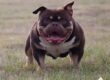
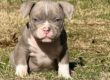
Bringing home an 8–10 week old Bully puppy is an exciting moment. Those oversized paws, wobbly steps, and chunky little bodies are adorable — but they’re also a reminder that your puppy is still very much a baby on the inside.
At this age, their bones haven’t fully developed, and their growth plates haven’t closed.
What Are Growth Plates?
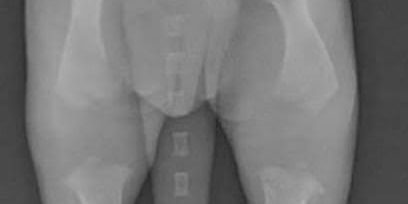
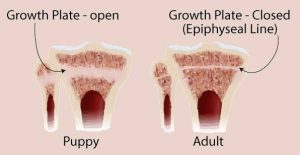
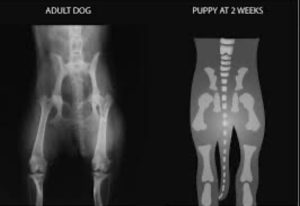
Growth plates are soft areas located at the ends of a puppy’s long bones. In Bully breeds especially — including the American Bully, American Bulldog, English Bulldogs, French Bulldogs and American Staffordshire Terrier — proper development is critical for building the powerful structure these breeds are known for.
Until growth plates close, they remain soft and vulnerable to injury. Closure typically happens around 12–18 months, often aligning with sexual maturity. Once mature, the plates calcify and harden into solid bone.
Before this crucial stage, your puppy’s joints are not tightly formed. They are supported mainly by muscle, tendons, and ligaments, with developing bone structures that haven’t fully seated into strong, stable sockets yet. That’s why young puppies move with that clumsy, floppy, uncoordinated gait — their bodies are still assembling.
Why Early Injuries Can Be Serious
Here’s something many people don’t realize:
In young puppies, tendons and ligaments are often stronger than the soft growth plates. If a puppy experiences trauma — a fall, a bad jump, or excessive force — those stronger tissues can actually pull apart the weaker growth plates.
Damage at this stage can lead to:
Lifelong structural issues
Improper limb development
Chronic pain
Arthritis later in life
In severe cases, permanent disability
You only get one opportunity to grow your puppy correctly.
Exercise: Balance Is Everything
Normal play is healthy and necessary. Controlled movement helps build muscle and coordination. However, excessive impact during this growth window can cause serious harm.
Avoid:
Repeated jumping on and off sofas or beds
Long runs or jogs
Forced hikes
High-impact games like repetitive frisbee
Jumping out of truck beds or elevated surfaces
Slipping on tile or slick floors without traction
Every hard landing creates impact between soft, developing bones. While small amounts of natural play are normal, repeated high-impact stress can damage forming joints and even cause fractures in bones that haven’t hardened yet.
Protecting Your Bully’s Structure
A well-built Bully comes from two equally important factors:
Excellent breeding AND proper upbringing.
Even the best genetics can be compromised by poor management during growth. Structure is built over time — not rushed.
Once your dog is fully grown, you’ll have years to enjoy:
Conditioning work
Strength training
Longer walks and jogs
Structured play
But while they’re babies, your job is protection — not performance.
Give Them the Gift That Can Only Be Given Once
Slow growth is healthy growth.
Keep exercise controlled. Provide safe footing. Prevent unnecessary jumping. Supervise outdoor play. Think long-term every single day.
Because you only get one chance to build the foundation.
And a strong foundation lasts a lifetime.
More info at https://americanbully.com.au/exercise-for-your-american-bully-puppy/